
Children of the Famine Trilogy
| By: | Marita Conlon-McKenna |
| Publisher: | O'Brien Press Ltd |
| Published: | September 2011 |
| Pages: | 160 |
| Categories: | Children |
| Language: | English |
| Available as: | Paperback |
| On sale at: |
This beautifully packaged boxed set of Marita Conlon-McKenna's masterful famine trilogy, with a beautiful cover by PJ Lynch. Ireland in the 1840s is devastated by famine. When tragedy strikes their family, Eily, Michael and Peggy are left to fend for themselves. Starving and in danger of the dreaded workhouse, they escape. Their one hope is to find the great-aunts they have heard about in their mother's stories. With tremendous courage they set out on a journey that will test every reserve of strength, love and loyalty they possess. This beautifully packaged collection showcases all three books in the Children of the Famine Trilogy; Under the Hawthorn Tree (winner of the International Reading Association Award), Wildflower Girl (winner of the Bisto Merit Award for Historical Fiction) and Fields of Home. Born in Dublin in 1956 and brought up in Goatstown, Marita went to school at the Convent of the Sacred Heart, Mount Anville, later working in the family business, the bank, and a travel agency. She has four children with her husband James, and they live in the Stillorgan area of Dublin. Marita was always fascinated by the Famine period in Irish history and read everything available on the subject. When she heard a radio report of an unmarked children's grave from the Famine period being found under a hawthorn tree, she decided to write her first book, Under the Hawthorn Tree. Published in May 1990, the book was an immediate success and become a classic. It has been translated into over a dozen languages, including Arabic, Bahasa, French, Dutch, German, Swedish, Italian, Japanese and Irish. The book has been read on RTE Radio and is very popular in schools, both with teachers and pupils. It has been made a supplementary curriculum reader in many schools and is also used by schools in Northern Ireland for EMU (Education through Mutual Understanding) projects. It was also filmed by Young Irish Film Makers, in association with RTE and Channel 4.
Other Books From this Category
-
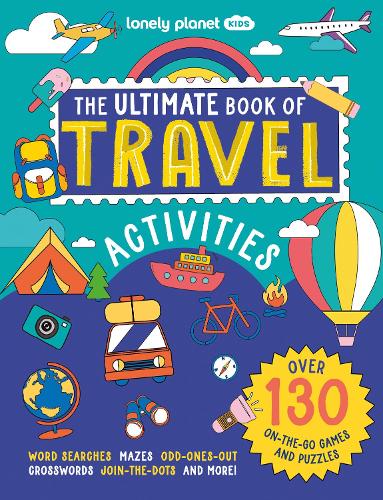
12 Feb 2027 - Lonely Planet Global Limited
Lonely Planet Kids The Ultimate Book of Travel Activities
The ultimate on-the-go activity book for travel-loving kids who enjoy pen to paper activities. From crossword puzzles to word searches; hidden pictures to join-the-dots; The Ultimate Book of Travel A...
-

30 Nov 2026 - Roliyo Press
Sanju Rashford and the Elephant God
-
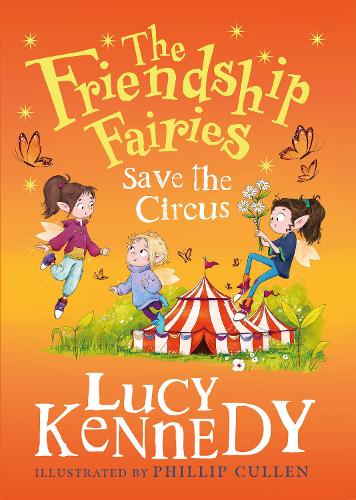
19 Nov 2026 - Gill
The Friendship Fairies Save the Circus
By Lucy Kennedy
-
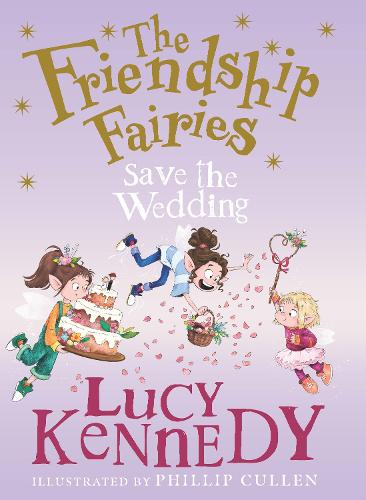
5 Nov 2026 - Gill
The Friendship Fairies Save the Wedding
By Lucy Kennedy
THE FRIENDSHIP FAIRIES ARE STAYING IN A SPOOKY CASTLE-BUT CAN THEY SAVE THE WEDDING BEFORE THE GHOSTS CAUSE CHOAS? The Friendship Fairies – sisters Emme, Holly and Jess – are off on another adv...
-
29 Oct 2026 - Gill
A Timeline of Irish History
By Myles Dungan
-
29 Oct 2026 - Gill
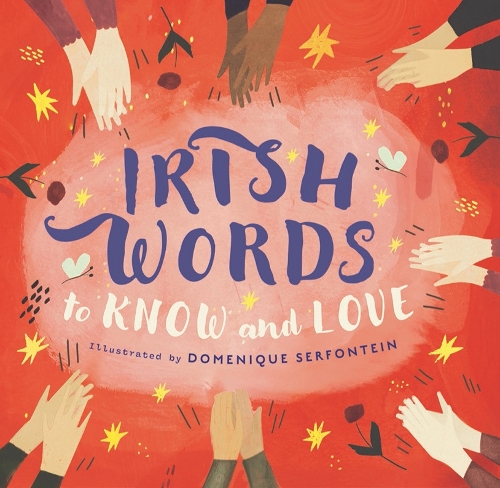
Irish Words to Know and Love
-

22 Oct 2026 - M C Tonery
Embrace The Tiger
-
22 Oct 2026 - Gill
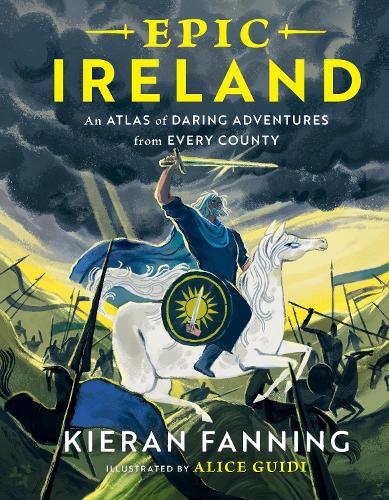
Epic Ireland: An Atlas of Daring Adventures from Every County
-

19 Oct 2026 - O'Brien Press Ltd
Swim, Little Otter
By Tom McCaughren, Erika McGann
Poor Little Otter can’t swim. The deep, dark river is just too scary. But he has to learn to swim or he won’t be a real otter. Maybe his new friend Tom Cat can help …
-

15 Oct 2026 - Gill
Illustrated Dublin: A Collage of Words and Pictures
-

12 Oct 2026 - O'Brien Press Ltd
A Children's Atlas of Ireland
From hedgerows to haunted houses, bog bodies to big battles, discover Ireland as you’ve never seen it before. This ambitious, sumptuously illustrated atlas gives a flavour of all things Irish, fr...
-

12 Oct 2026 - Lonely Planet
Lonely Planet Kids The Flag Activity Book: Word Games, Picture Challenges, Quizzes & More | Fun Facts & Awesome Info for Budding Vexillologists | Vibrant Full Colour Design
-
8 Oct 2026 - Gill
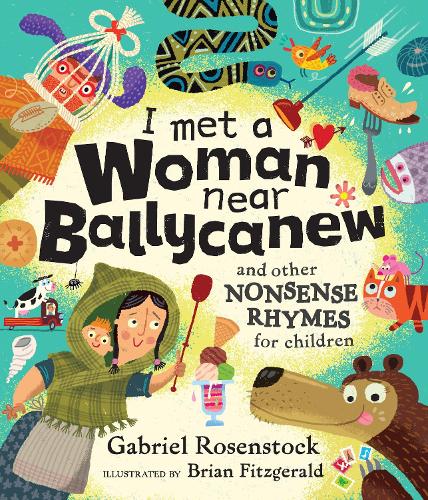
I Met a Woman Near Ballycanew: And other nonsense rhymes for children
-

5 Oct 2026 - O'Brien Press Ltd
The Doomsday Club: Bog Bodies: Some secrets just won't stay buried!
By Kevin Moran
The boys have got a sinking feeling … A school trip to the remote island of Inis Fola might be Jack, Jerry and Yash’s idea of fun, but it sounds like hell on earth to Conan. And once the Dooms...
-

5 Oct 2026 - O'Brien Press Ltd
My First Book of Christmas/Mo Chéad Leabhar Nollag
Present, star, pudding Bronntanas, réalta, maróg Introduces the youngest readers to all the joys of an Irish Christmas! Ag cur sceitimíní agus draíocht na Nollag in Éirinn ar na léithe...
-

5 Oct 2026 - O'Brien Press Ltd
The Doomsday Club: Bog Bodies: Some secrets just won't stay buried!
By Kevin Moran
The boys have got a sinking feeling … A school trip to the remote island of Inis Fola might be Jack, Jerry and Yash’s idea of fun, but it sounds like hell on earth to Conan. And once the Dooms...
-
5 Oct 2026 - Townhouse Publishing Ltd
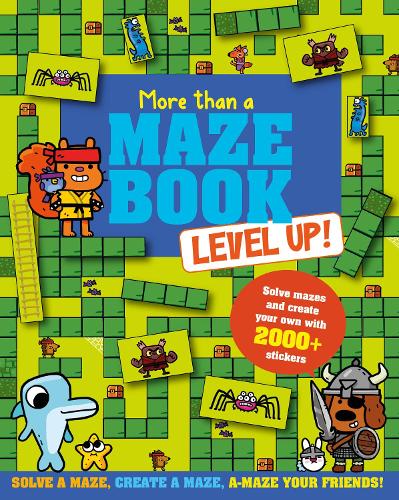
Level Up!
Ready to LEVEL UP your maze skills? Solve the mazes in this book from easy to challenging, speed through the mini mazes, then customise and create your own amazing mazes! With over 2000 maze tile and ...
-
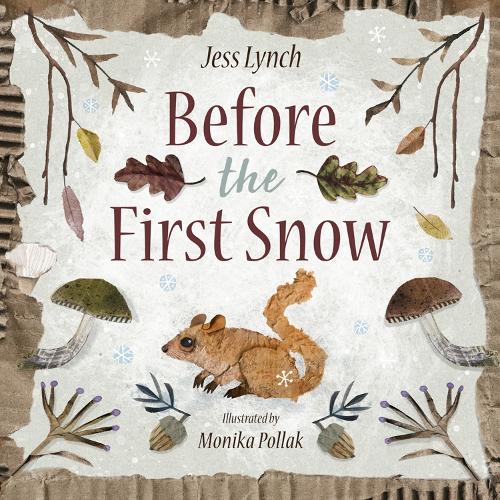
1 Oct 2026 - Natural World Publishing
Before The First Snow
By Jess Lynch
It’s getting cold; there’s a chill in the air. As the days get shorter and autumn turns to winter, the woodland animals sense it’s time to find a place to settle down for the long sleep ahead. ...
-
1 Oct 2026 - Leabhar Breac
Bodach an Chóta lachna
A beautiful retelling for young people of the old Fionn mac Cumhaill story, Bodach an Chóta Lachna (the Churl of the Grey Cloak), masterfully adapted by Máiréad Ní Ghráda. The story begins in ...
-
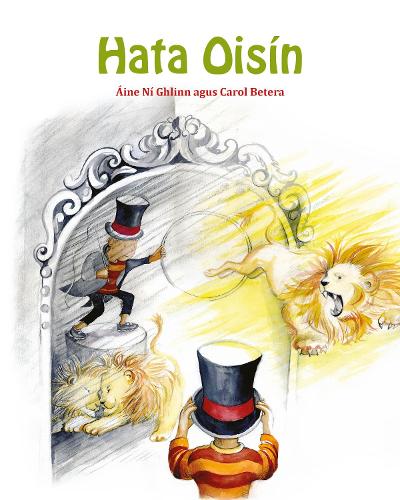
30 Sep 2026 - Comhar
Hata Oisín
Oisín is looking for a new hat. It’s so hard to decide though. There are so many hats everywhere — on the street, in the shop… not to mention the hats he sees on his own head in the mirror.
Other Books From this Author
-

1 May 2025 - O'Brien Press Ltd
Children of the Famine Trilogy
Beginning with the Great Famine of the 1840s, this beloved trilogy follows Eily, Peggy and their brother Michael across continents and decades. A story of courage, danger, adventure and survival that ...
-
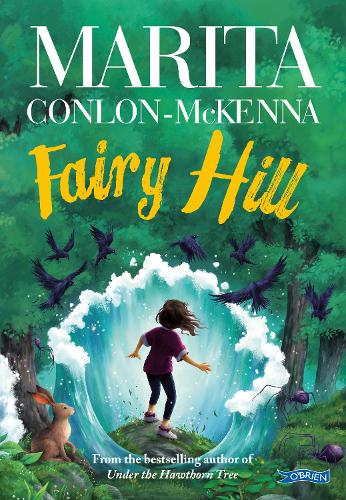
7 Apr 2025 - O'Brien Press Ltd
Fairy Hill
Strange things are happening in Fairy Hill. Thirteen-year-old Anna is upset when she is sent to stay with her dad and his new family at Fairy Hill in the west of Ireland. Hearing whispers in the w...
-
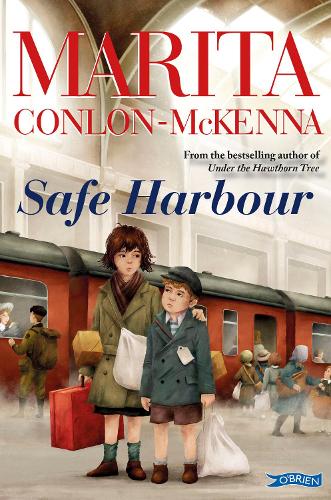
8 May 2023 - O'Brien Press Ltd
Safe Harbour
'Great story' Irish Times Sophie and Hugh are evacuated to Greystones in Ireland when their house is bombed during the London Blitz. Their mother is seriously injured and their father is away fight...
-
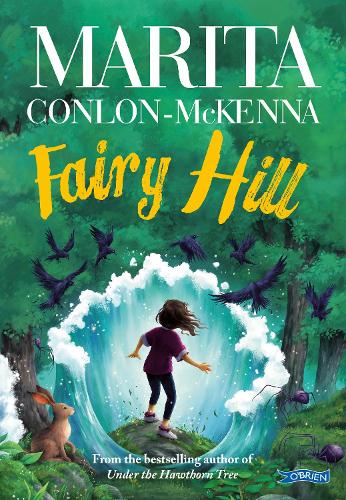
27 Feb 2023 - O'Brien Press Ltd
Fairy Hill
Strange things are happening in Fairy Hill. Thirteen-year-old Anna is upset when she is sent to stay with her dad and his new family at Fairy Hill in the west of Ireland. Hearing whispers in the w...
-
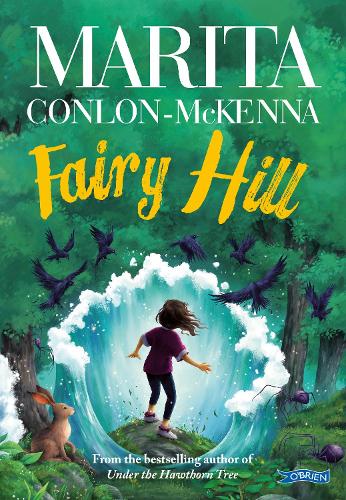
27 Feb 2023 - O'Brien Press Ltd
Fairy Hill
Strange things are happening in Fairy Hill. Thirteen-year-old Anna is upset when she is sent to stay with her dad and his new family at Fairy Hill in the west of Ireland. Hearing whispers in the w...
-
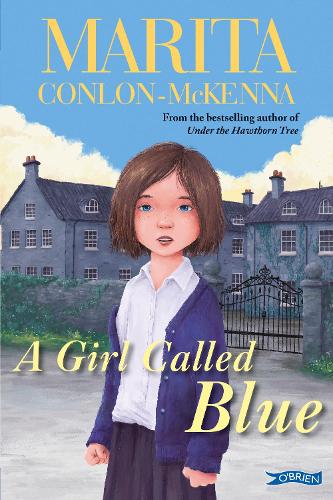
21 Feb 2022 - O'Brien Press Ltd
A Girl Called Blue - New edition
The orphanage is the only home Blue has ever known. She is desperate to find out who she really is. The closed file in stern Sister Regina's office holds the secret of her identity. And that is forbid...
-

1 Feb 2016 - Transworld Ireland
Rebel Sisters
Growing up in the privileged confines of Dublin’s leafy Rathmines, the bright, beautiful Gifford sisters Grace, Muriel and Nellie kick against the conventions of their wealthy Anglo-Irish background...
-
21 May 2015 - O'Brien Press
Safe Harbour
Sophie and Hugh are left homeless when their house is bombed during the London Blitz. Their mother is seriously injured and their Dad is away fighting, so the children are sent to their grandfather in...
-
30 Sep 2014 - Transworld Digital
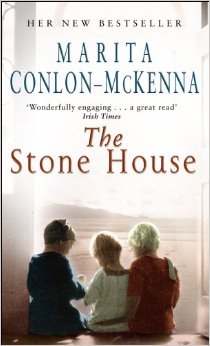
The Stone House
Everything changes for Kate, Moya and Romy when they receive word that Maeve Dillon, their mother, is critically ill. It is time to return from Dublin, London and New York to Rossmore and the old ston...
-

16 Aug 2013 - O'Brien Press Ltd
No Goodbye
It's hard to pretend that everything is normal when your whole life has been turned upside down … 'She's gone!' The letter said she needed time to be herself again. But what does that mean? ...
-
16 Aug 2013 - O'Brien Press Ltd
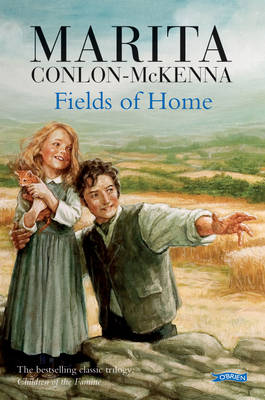
Fields of Home
The final book in the famine trilogy For Eily, Michael and Peggy the memory of the famine is still strong. But Mary-Brigid, Eily's first child, has the future to look forward to. What kind of future...
-
14 Sep 2012 - O'Brien Press Ltd
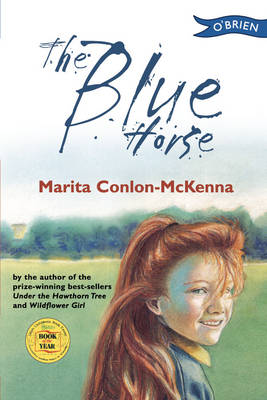
The Blue Horse
Katie's whole world is turned upside down when her family's home is destroyed by fire. Everything they had is gone, and instead of pulling together it seems as though her family is falling apart. A re...
-
29 Aug 2012 - O'Brien Press Ltd
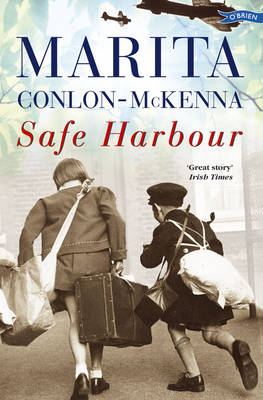
Safe Harbour
Sophie and Hugh are left homeless when their house is bombed during the London Blitz. Their mother is seriously injured and their Dad is away fighting, so the children are sent to their grandfather in...
-
16 Mar 2004 - O'Brien Press Ltd
A Girl Called Blue - 2nd edition
The orphanage is the only home Blue has ever known. She is desperate to find out who she really is. The closed file in stern Sister Regina's office holds the secret of her identity. And that is forbid...
-
2 Oct 2001 - O'Brien Press Ltd
Under the Hawthorn Tree: Children of the Famine
The first book in the famine trilogy Under the Hawthorn Tree is Ireland's top selling children's book and a classic for young readers worldwide. Set during the Irish famine, it follows three childre...
-
1 Apr 2000 - O'Brien Press Ltd
Faoin Sceach Gheal
The bestselling Under the Hawthorn Tree is now available for the first time in Irish. Since its first publication in 1990, Marita Conlon-McKenna's Under the Hawthorn Tree has broken all records for sa...
-
1 Sep 1999 - O'Brien Press Ltd
In Deep Dark Wood
'When Bella Blackwell moves in next door, life takes a frightening and thrilling turn for Mia. Her brother and granny don't trust "The Bird Woman", and when she disappears their fear become real. A th...
-

1 Feb 1997 - O'Brien Press Ltd
Fields of Home - 2nd edition
The final book in the famine trilogy. For Eily, Michael and Peggy the memory of the famine is still strong. But Mary-Brigid, Eily's first child, has the future to look forward to. What kind of future ...
-
31 Jul 1996 - O'Brien Press Ltd
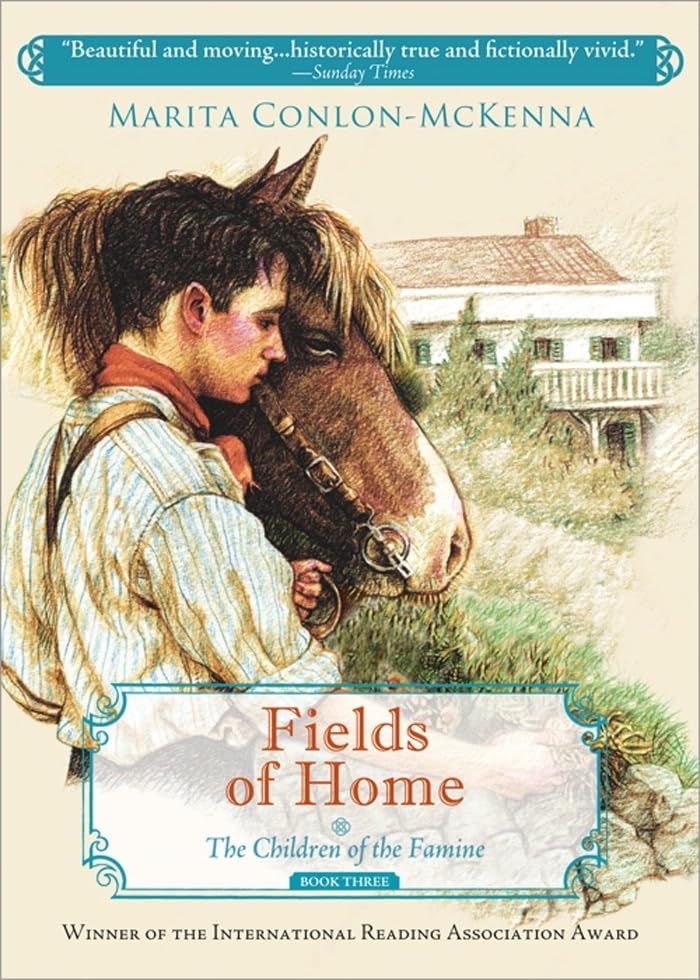
Fields of Home
The final book in the "Children of the Famine" trilogy, set during the Irish famine. Michael is a stable-boy at the Big House, learning about horses, while Eily struggles to survive in her cottage on ...
-
1 Jun 1996 - O'Brien Press
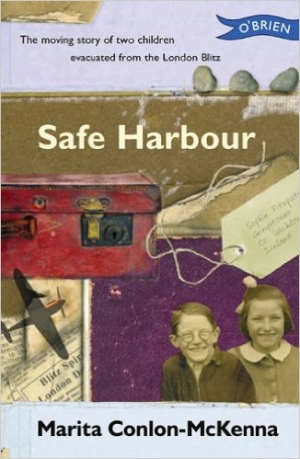
Safe Harbour
Sophie and Hugh are left homeless when their house is bombed during the London Blitz. Their mother is seriously injured and their Dad is away fighting, so the children are sent to their grandfather in...
