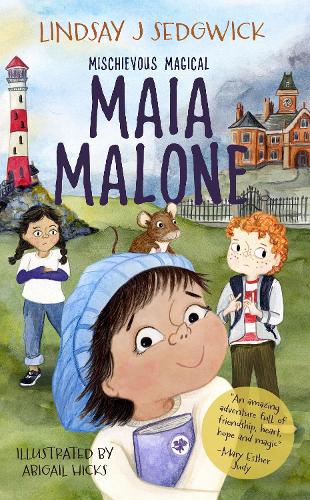
Mischievous Magical Maia Malone
| By: | Lindsay J. Sedgwick |
| Publisher: | Janey Mac Books |
| Published: | September 2026 |
| Pages: | 205 |
| Categories: | Fiction, Children |
| Language: | English |
| On sale at: |
Broomsticks, alligators, gargoyles, and a lighthouse stretching up to touch the sky. When nine-year-old Maia describes her drawings, they come to life with comic and chaotic results - but could losing the family she loves be the price she has to pay? After finding herself transformed one time too many, Maia's older sister Neeta snaps and tells Maia she's adopted. Maia's world crumbles. Thinking her family would be better without her, she sets off on a daring and dangerous quest armed only with her pencils, her notebook and a faded photo of a woman she resembles. A rollercoaster ride full of surprises, with themes of adoption, bullying, friendship, identity, and the scary responsibility of having a powerful magical gift. Richly illustrated by Abigail Hicks. Printed in Ireland by Sprint Books, Tallaght, the book is supplied within Ireland by International Education Services. It is also available online and on POD from Ingram Sparks and Amazon. Why This Book Belongs in Your School or Library 1. Themes: Family, cross cultural identity, diversity: The book is a realistic story about siblings, about families that don't fit the 'traditional' mould. The father works with refugees, the mother is a writer and both daughters are adopted. Use/ Misuse of power: Maia's gift gives her great power, but she doesn't always think of the consequences. Neeta uses knowledge about Maia's being adopted in a spark of rage - and the cost, emotionally, to her as well as to Maia and the family, is huge. Then there's the villain, Uncle Morgan who misuses his power as a detective inspector. Identity: The question of what family means, who we are, how we define or find ourselves. Maia's best friends are a talking mouse who thinks he's an elephant (identity) and Graham who's autistic (neurodiversity). She and Neeta (11) are both adopted, with different cultural backgrounds. 2. Strong, credible charactersMaia is a feisty, courageous female lead whose magic power comes directly from her creativity and imagination - writing and drawing. This book tells every child who loves making things that their imagination is a superpower. The sibling dynamic between Maia and Neeta is authentic. They bicker, protect each other, misunderstand each other, and - at the end - hold each other tight. Uncle Morgan (aka "Morg the Borg") is a gleefully awful villain. Mamma Nupp, their great-aunt, is a wonderful, independent elderly character who lives alone, paints, and never needs rescuing. 3. An accessible, but genuinely ambitious readThe story moves fast and the writer never talks down to her readers. Chapters are short enough to assign or read aloud in class. The vocabulary is rich, but context driven. Age range: 7-10; ideal read-aloud for 6+; independent read for 8+ Suggested Links To School Curricula English / Literacy 1. Oral Language * Chapters are short, dialogue-rich, and full of comic timing; great to read aloud. Teachers can model expressive reading, character voices, and pacing. * Discuss: What would YOUR power be if you had a magic power and how would you use it? If you could make something you drew come to life, what would you draw? * Hot-seating activity: students interview Maia, Neeta, or Uncle Morgan in character. 2. Reading Comprehension * Predicting outcomes (Maia draws something - what might happen?) * Inference and deduction (Why does Neeta forbid Maia from drawing? What does that tell us about her?) * Author's intention (Why is the villain a corrupt detective rather than a monster?) * Theme: the difference between using a gift and misusing it. 3. Writing Sedgwick is a screenwriter so the book has a very clear three-act structure with a satisfying resolution that will be useful in discussions about creating stories, developing dramatic characters. * Maia's power works because she describes what she has drawn. Students could be encouraged to write about what they might draw into (temporary) existence. This has potential to open up topics across many areas depending on what they choose to draw. * Students could write a diary page from different points of view: eg, How did Neeta feel on the day she realised Maia had this gift? * Descriptive writing: Maia experiences Dublin's streets, a lighthouse, a cinema that looks like something from a fairy tale, a museum full of Egyptian gold. Students could write a description of a special place they know. 4. Media Literacy Near the end of the novel, Morgan's arrest becomes a news story. This opens a conversation about how stories are shaped by who tells them - a key media literacy concept for upper primary. They could be asked to write a news story of their own or start their own class magazine. SPHE (Social, Personal and Health Education)* Bullying and bystander behaviour: The character Bonzo appears early, and Neeta refuses to be intimidated. The book consistently shows both Maia, Neeta and other characters standing up to bullies and the limits of aggression. * Family diversity and belonging: Maia is adopted. She looks different from her parents and sister. The book handles this with beautiful lightness - she looks through old family photographs wondering where she comes from. In a flash of frustration, Neeta weaponizes this knowledge, without realising the damage she is doing. This can only happen because the parents haven't told Maia yet. The discussion when they sit down as a family at the end and talk it all through would be a good discussion topic. (Neeta is also adopted, but Maia doesn't know at the start.) * Self-worth and identity: Maia feels "weird" and is frequently told not to draw. Learning to trust her own voice is the emotional core of the book. * Emotions and empathy: Multiple characters (including Uncle Morgan in his final moments) are shown to have complex reasons for who they are. The book models nuanced emotional thinking without being preachy. Visual Arts* Maia draws and draws. It makes her happy and helps her feel safe. This is a book that validates visual artists and invites children to see illustration as storytelling. * Abigail Hicks's illustrations are a craft model: students can study how character is conveyed through line, expression, and composition. History / SESEGiven the family tin of photographs in Chapter Eight Maia looks at pictures of a suffragette great-grandmother and a young man killed in the WW2. This is a natural bridge to lessons on: * Women's suffrage and voting rights * Family history and oral tradition - with an exercise to go and record the stories by older people in their family or community * How photographs tell stories across generations- and what they don't say. (Maia thinks the handsome soldier has a faraway look "as if he'd been promised hot chocolate cake and had been given bran flakes instead". In terms of locations, the museum is full of Egyptian antiquities and ancient armour, the old cinema might have been a music hall, the old TB hospital at the end was once an asylum...
Other Books From this Category
-

26 Aug 2027 - Hachette Books Ireland
Untitled Sophie White 6
By Sophie White
-
19 Mar 2027 - New Island Books
THE SPANKING GODDESS: and Other Discarded Tales
By Clare Murphy
In The Spanking Goddess & Other Discarded Tales, professional storyteller Clare Murphy exhumes the Celtic canon to bring the wild women who never made the cut, back into the light. A shapeshifter span...
-
18 Mar 2027 - Hachette Books Ireland
If These Walls Could Talk: The new rural noir thriller from the author readers can’t put down
-
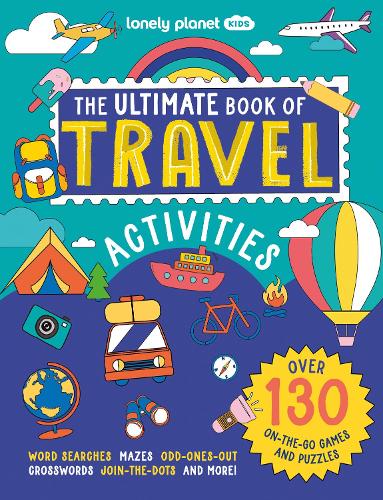
12 Feb 2027 - Lonely Planet Global Limited
Lonely Planet Kids The Ultimate Book of Travel Activities
The ultimate on-the-go activity book for travel-loving kids who enjoy pen to paper activities. From crossword puzzles to word searches; hidden pictures to join-the-dots; The Ultimate Book of Travel A...
-
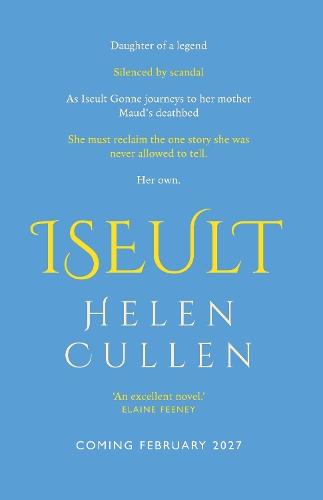
4 Feb 2027 - Hachette Books Ireland
Iseult
By Helen Cullen
Raised in myth. Silenced by scandal. As her mother lies dying, Iseult Gonne must reclaim the one story she was never allowed to tell - her own. Set over a single day in 1953 Dublin, Iseult Gonne - ch...
-
4 Feb 2027 - Hachette Books Ireland
The Hotel Guest
'Haunting, intelligent, atmospheric' SAM BLAKE Her fate was in their hands. Now their future is in hers. Kit's summer job at the Abbaye de Saint Maurice was supposed to be a clean slate - until she ...
-
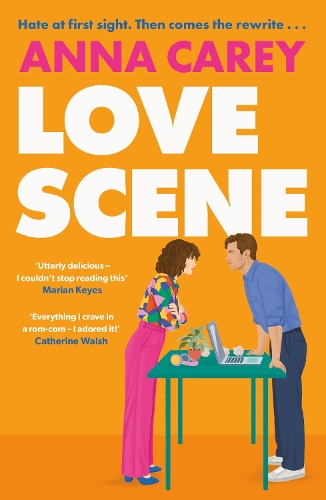
4 Feb 2027 - Hachette Books Ireland
Love Scene
By Anna Carey
-
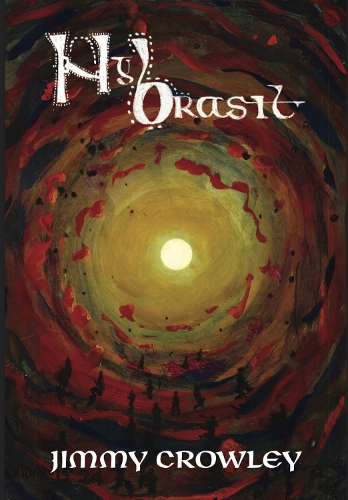
2 Feb 2027 - The Mercier Press
Hy Brasil
The old charts promised an island that lifts out of the western ocean once in seven years, and is gone before any keel can reach it. In Hy Brasil it lifts as a starship – and it has come for a poet....
-
21 Jan 2027 - Hachette Books Ireland
The Last Lesson
By Susan Stairs
Forty years after the unsolved murder of a beloved teacher, a former pupil sets out to discover the truth. 2018 - Miss Alice Diamond's brutal murder has remained unsolved for four decades. Mary Locke,...
-
5 Dec 2026 - Picerni Publications
MADABAME
-
30 Nov 2026 - Skein Press
Why The Moon Travels: Irish Traveller Folktales
Why the moon travels is a haunting collection of twenty tales rooted in the oral tradition of the Irish Traveller community. Brave vixens, prophetic owls and stalwart horses live alongside the human c...
-
30 Nov 2026 - Roliyo Press
Sanju Rashford and the Elephant God
-
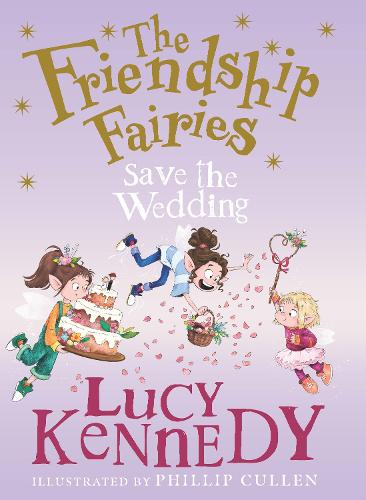
5 Nov 2026 - Gill
The Friendship Fairies Save the Wedding
By Lucy Kennedy
THE FRIENDSHIP FAIRIES ARE STAYING IN A SPOOKY CASTLE-BUT CAN THEY SAVE THE WEDDING BEFORE THE GHOSTS CAUSE CHOAS? The Friendship Fairies – sisters Emme, Holly and Jess – are off on another adv...
-
29 Oct 2026 - Gill
A Timeline of Irish History
By Myles Dungan
-
29 Oct 2026 - Gill
Irish Words to Know and Love
-
28 Oct 2026 - The Lilliput Press Ltd
Gulliver's Travels: 300th Anniversary Edition
Travels into remote nations of the world by Lemuel Gulliver, first a surgeon, and then a captain of several ships, now universally known as Gulliver’s Travels, was published in London on the 28th...
-
28 Oct 2026 - The Lilliput Press Ltd
Gulliver's Travels: 300th Anniversary Edition
-
22 Oct 2026 - Hachette Books Ireland
Once a Year: A heart-warming, festive page-turner
-
22 Oct 2026 - Gill
Epic Ireland: An Atlas of Daring Adventures from Every County
-

22 Oct 2026 - M C Tonery
Embrace The Tiger
Other Books From this Author
-
13 May 2026 - Janey Mac Books
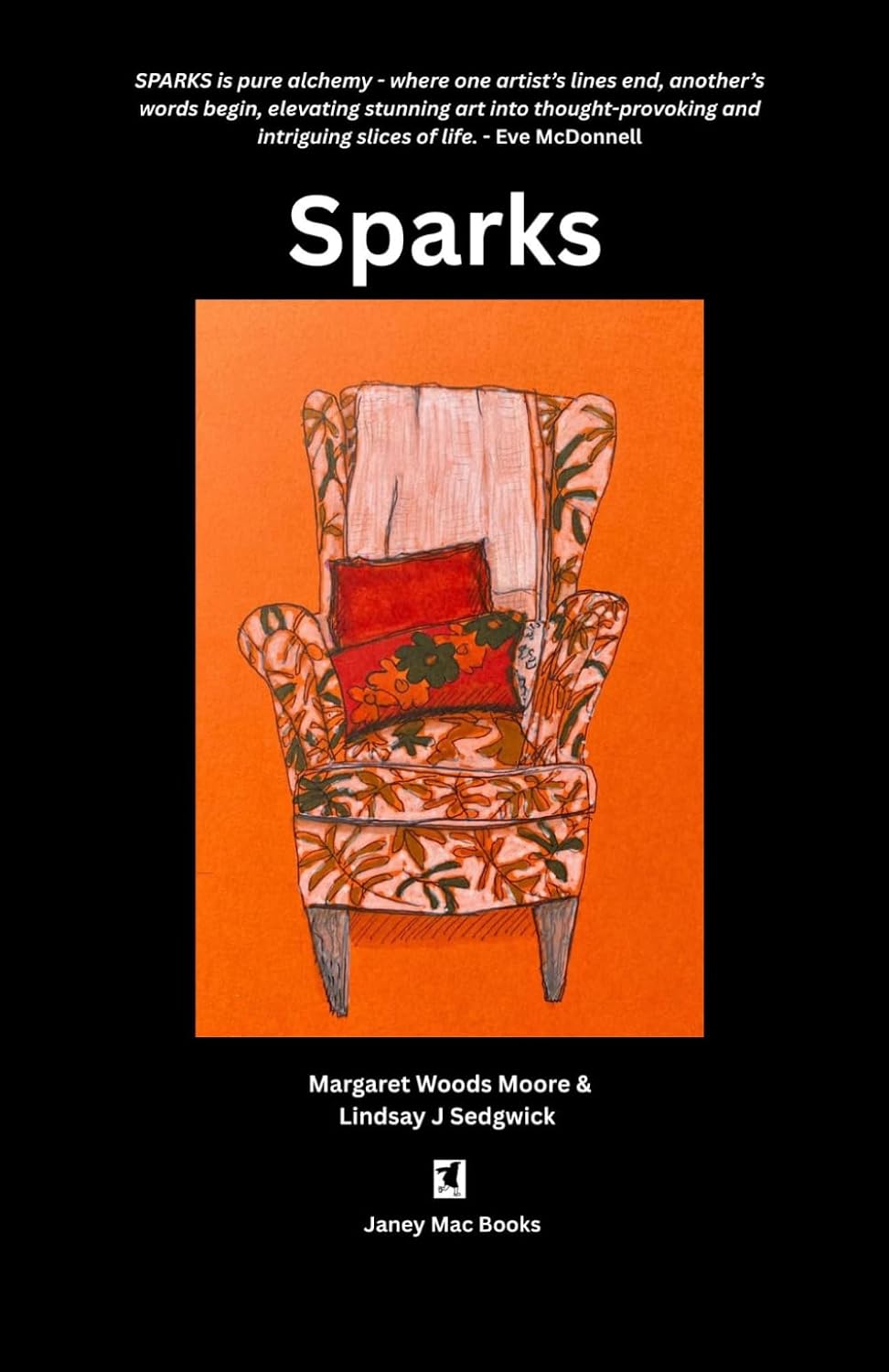
Sparks
An artist sends a drawing. A writer responds only to what she sees. No context. No explanation. Lindsay J. Sedgwick's stories are tiny and complete. Funny, fierce, tender, and occasionally devastat...
